
A guided drift-boat trip on the Kenai River runs under rules written by the state, and those rules shape the day on the water. Anglers booking from Anchorage want to know what a guide’s paperwork actually covers. Here’s what Alaska asks of the person at the oars.
Every Guide and Vessel Must Register
Every Kenai River trip starts with registration. According to the Alaska Department of Fish and Game guide regulations, “each guide and vessel must register annually with ADF&G and the Alaska State Parks Soldotna office.” Registered vessels also display an assigned three-digit guide vessel number on both sides of the boat, so you can check the number before you step aboard.
Permit Paperwork Covers More Than a Fishing License
Alaska State Parks publishes a fact sheet for the Kenai River Sport Fishing Commercial Use Permit that lists what a guide submits. The application includes:
- A current driver’s license
- An ADF&G sport fishing guide license in the guide’s own name
- Drug testing, either a DOT five-panel test within thirty days or enrollment in a random testing program
- A U.S. Coast Guard Merchant Mariner Credential for guides who operate motorized vessels
- Current first-aid certification
- A Kenai River Guide Academy certificate in the first year
A guide’s license and permit status are public requirements, so asking about them is reasonable. When you compare outfitters, pair those items with a few questions to ask guides about gear, group size, and the kind of water you’ll fish.
A Guide Can’t Fish While Clients Are Aboard
The regulations state that “Guides may not sport fish while a client is present or within the guide’s control or responsibility,” and that this applies year-round. They also cap the rods in use. Rods can’t outnumber the clients on board the vessel. The guide’s time goes to rigging, netting, coaching, and rowing, because the job is helping you fish rather than fishing alongside you.
For anglers based in Anchorage, an Anchorage Kenai River fishing guide trip means the same permits and the same rules apply once the boat is on the water. Where you stay in Anchorage doesn’t change what the state requires of the guide.
Seasonal Hours Apply on Parts of the River
The guide-vessel section of the regulations sets hours for the Kenai River downstream from the outlet of Skilak Lake. From May 1 through July 31, “Sport fishing is only allowed Tuesday through Saturday from 6 a.m. to 6 p.m. each day.”
That schedule matters when you build Anchorage guided fishing trips around a work week or a flight. Settle the date first, then confirm which stretch of water you’ll fish. Check the current regulations before you book, since seasons and hours can change.
Release Practices Protect the Fishery
On our trips, rainbow trout and Dolly Varden go back in the water, which leaves them in the river for the next angler.
We follow the Kenai’s catch-and-release practices with each rainbow trout and Dolly Varden that comes aboard. Salmon season runs from June to the end of October, so the timing of your trip decides which species you’ll target.
Who Is Behind the Oars
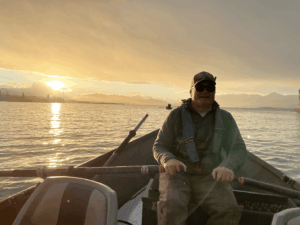
At Jason’s Guide Service, Jason Lesmeister guides drift-boat trips for salmon, rainbow trout, and Dolly Varden. He’s a licensed Alaska fishing guide with more than two decades on the Kenai, and he works under permits from Alaska State Parks and the Kenai National Wildlife Refuge.
We provide the gear, waders, and fish cleaning, so you don’t need to bring your own, and we welcome beginners, families, and experienced anglers.
Anglers after sockeye can look at an Anchorage sockeye salmon fishing guide trip. The same permits and rules apply to every trip we run.
Choosing the Right Trip
A good match comes down to the species you want, the time you have, and who’s coming along. It helps to start by finding the right guide for your group.
Because we tailor each trip to the angler and the group, you can get in touch with us about dates and species, and we’ll shape the day around your group. Questions about Anchorage guided fishing trips are welcome at any stage of planning.